Donald Ellis
REALTOR®, ABR®, e-PRO®


Blog
 RSS Feed
Subscribe and receive email notifications of new blog posts.
RSS Feed
- 2026 | 28 Posts
- 2025 | 52 Posts
- 2024 | 50 Posts
- 2023 | 55 Posts
- 2022 | 83 Posts
- 2021 | 70 Posts
- 2020 | 43 Posts
Boise Life | 84 Posts
Buying A Home | 30 Posts
Doers of Good | 14 Posts
Family Fun | 9 Posts
Food | 22 Posts
Gardening | 3 Posts
Get Outdoors | 7 Posts
Holidays | 13 Posts
Home Improvement | 34 Posts
Home Maintenance | 7 Posts
Home Organization | 5 Posts
Moving | 6 Posts
News | 99 Posts
Personal Finance | 16 Posts
Sell a Home | 2 Posts
Selling A Home | 8 Posts
Spring Cleaning | 2 Posts
Technology | 20 Posts
Uncategorized | 12 Posts
May
17
17
Helpful Tips for Starting a Compost Pile
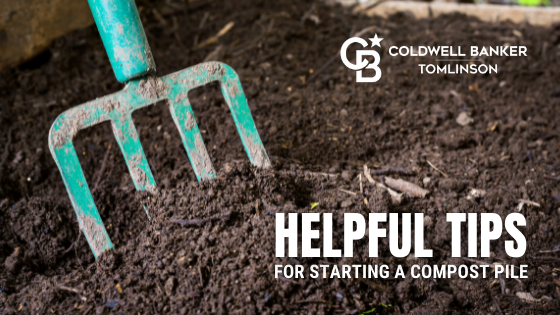
Compost is so often the key to a beautiful, healthy garden; however, many people shy away from composting because they believe it's too complicated or messy. With the right combination of ingredients, composting can be easy and odorless and can make a huge difference in your garden.
Many of these Boise homes for sale have beautiful gardens, which are likely a result of a good compost pile. If you've been thinking about composting, below are some tips to help you get started.
- What Is Composting?
Compost is a collection of decomposing organic materials that can be added to your garden to enrich the soil and promote plant growth. Compost is a nutrient-rich substance comprised of the right combination of food scraps and yard waste. Compost provides humic acid and microbes to your soil, which delivers nutrients to plants. - How To Make Good Compost
The key to making good compost is to strike the right balance between carbon and nitrogen. For the most effective, best-smelling compost, our real estate agents usually recommend a carbon (brown materials) to nitrogen (green materials) ratio of 25 to 1. If you add too much carbon, the decomposition process will be slow. If you add too much nitrogen, your pile may be stinky, messy, and attract unwanted animals or pests. - Start With A Good Container
You don't need to go overboard with a container. It just needs to be capable of holding all of your ingredients. Wooden crates or wired cages can work. However, an actual bin is usually your best option as it's capable of retaining heat, which helps increase decomposition. Keep in mind, your compost must be turned on a regular basis to promote oxygen. As a result, some people invest in a compost tumbler, which can be easily rotated. - Add Carbon Materials
Brown materials are rich in carbon and include tree branches, newspaper, napkins, cardboard, sawdust (non-treated wood), coffee filters, tea bags, leaves, hay, and straw. Carbon materials should make up the majority of your compost. Remember, aim for a 25:1 carbon to nitrogen ratio. - Add Green Materials
Green materials contain nitrogen and are an essential part of your compost pile. Grass clippings, fruit and vegetable scraps, leftover food, tea bags, and eggshells are all items rich in nitrogen. Remember, your compost pile only needs a small amount of nitrogen in relation to carbon. - Items Not To Include In Compost
There are some items that should never be included in compost. Anything that contains meat, oil, or grease, treated wood, pet feces, and dairy products should never be included in compost. These materials will not only smell bad, but they'll also attract animals and unwanted insects. - How Long Does It Take To Make Compost?
The composting process can take anywhere from three months to a year. The timing ultimately depends on the items you use, the carbon/nitrogen balance, heat exposure, and oxygen exposure. One way to increase how quickly your compost decomposes is to shred your carbon items before adding them.
Compost is so important when it comes to gardening and the environment. For more landscaping tips, contact us today.




Privacy Policy / DMCA Notice / ADA Accessibility


This site is hosted, designed and copyright
© 1994 - 2026 by
Delta Media Group, Inc. -- Patent Pending --