Donald Ellis
REALTOR®, ABR®, e-PRO®


Blog
 RSS Feed
Subscribe and receive email notifications of new blog posts.
RSS Feed
- 2026 | 27 Posts
- 2025 | 52 Posts
- 2024 | 50 Posts
- 2023 | 55 Posts
- 2022 | 83 Posts
- 2021 | 70 Posts
- 2020 | 43 Posts
Boise Life | 84 Posts
Buying A Home | 30 Posts
Doers of Good | 14 Posts
Family Fun | 9 Posts
Food | 22 Posts
Gardening | 3 Posts
Get Outdoors | 7 Posts
Holidays | 13 Posts
Home Improvement | 34 Posts
Home Maintenance | 7 Posts
Home Organization | 5 Posts
Moving | 6 Posts
News | 98 Posts
Personal Finance | 16 Posts
Sell a Home | 2 Posts
Selling A Home | 8 Posts
Spring Cleaning | 2 Posts
Technology | 20 Posts
Uncategorized | 12 Posts
August
15
15
Building Successful Back-to-School Routines for Your Child's Success
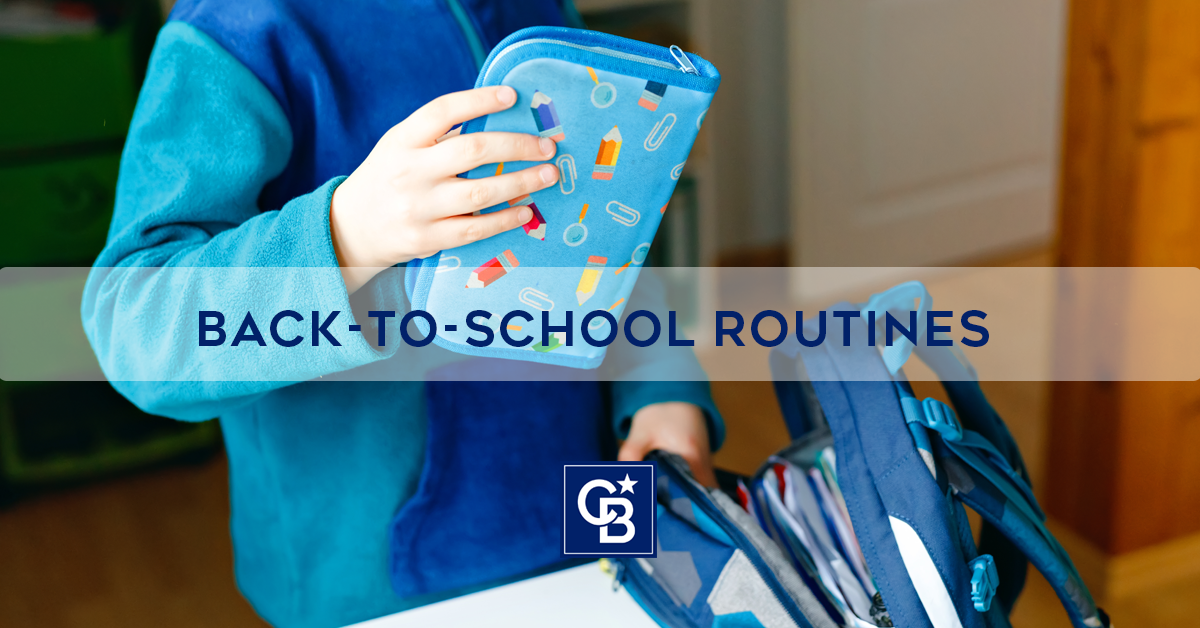
Like adults, children thrive with clear schedules, expectations, and daily routines. Establishing structured school-day routines can streamline mornings, afternoons, and bedtime promoting ease and harmony for the whole family.
Here are five tips to establish effective routines for a successful school year:
- Practice timing everyday tasks so you know what to expect. This helps parents have realistic expectations for the time needed for each child. Some children eat breakfast quickly while others are slower risers and need more time. Nobody likes to feel rushed, but children also need to learn about reasonable time management.
- Ask your child what they'd like to have time for (either in the morning or after they get home from school) or what they need help with. By making them a part of the process rather than them feeling like tasks are imposed on them makes for an easier experience. Your child might enjoy knowing he has time every day to play with the family pet or an allotted time on an electronic device. A younger child might get frustrated putting on their shoes everyday if they haven't learned how to tie them.
- Make a list. For everyday routines in which a lot of steps are involved, such as getting ready in the morning, after school responsibilities, or going to bed at night, it can be helpful to have a chart or a list and for younger children, pictures are always helpful. Keep it in a place that is easily visible and rely on your child to refer to it, rather than direct them through their tasks each day, encouraging them to take initiative.
- Know when to leave out electronics. In the morning, it might be hard for a child to disconnect from TV or a smartphone to get ready for school. For some children, a TV show might be a good way for them to relax after school while eating a snack. A bedtime routine might include a book rather than letting them have access to an iPad. The success is knowing what works for each individual child and limiting electronics when it interferes with their ability to finish their tasks.
- Celebrate success! Your children thrive on positive encouragement when they are being responsible for themselves and implementing a new routine. "I appreciate you getting up and getting dressed all on your own." Or "Thank you for picking out your outfit for tomorrow while getting ready for bed, that will save us time in the morning." Keep in mind that this routine is part of your child's responsibility as a family member. Offering rewards might diminish their sense of accomplishment. Instead, recognize their efforts and value their contribution in being prepared and punctual.
With routines, children learn to focus on time management and what needs to be done in that moment, teaching them independence and the great feeling of being capable. Working together you can help them set positive habits that will help them throughout their life.
Does your school year involve buying or selling your home? Our agents are here to help you!
Article written by Kristina Case




Privacy Policy / DMCA Notice / ADA Accessibility


This site is hosted, designed and copyright
© 1994 - 2026 by
Delta Media Group, Inc. -- Patent Pending --