


Subscribe and receive email notifications of new blog posts.
 RSS Feed
- 2026 | 27 Posts
- 2025 | 52 Posts
- 2024 | 50 Posts
- 2023 | 55 Posts
- 2022 | 83 Posts
- 2021 | 70 Posts
- 2020 | 43 Posts
3
Grounded in Style: How to Choose the Right Flooring for Every Space
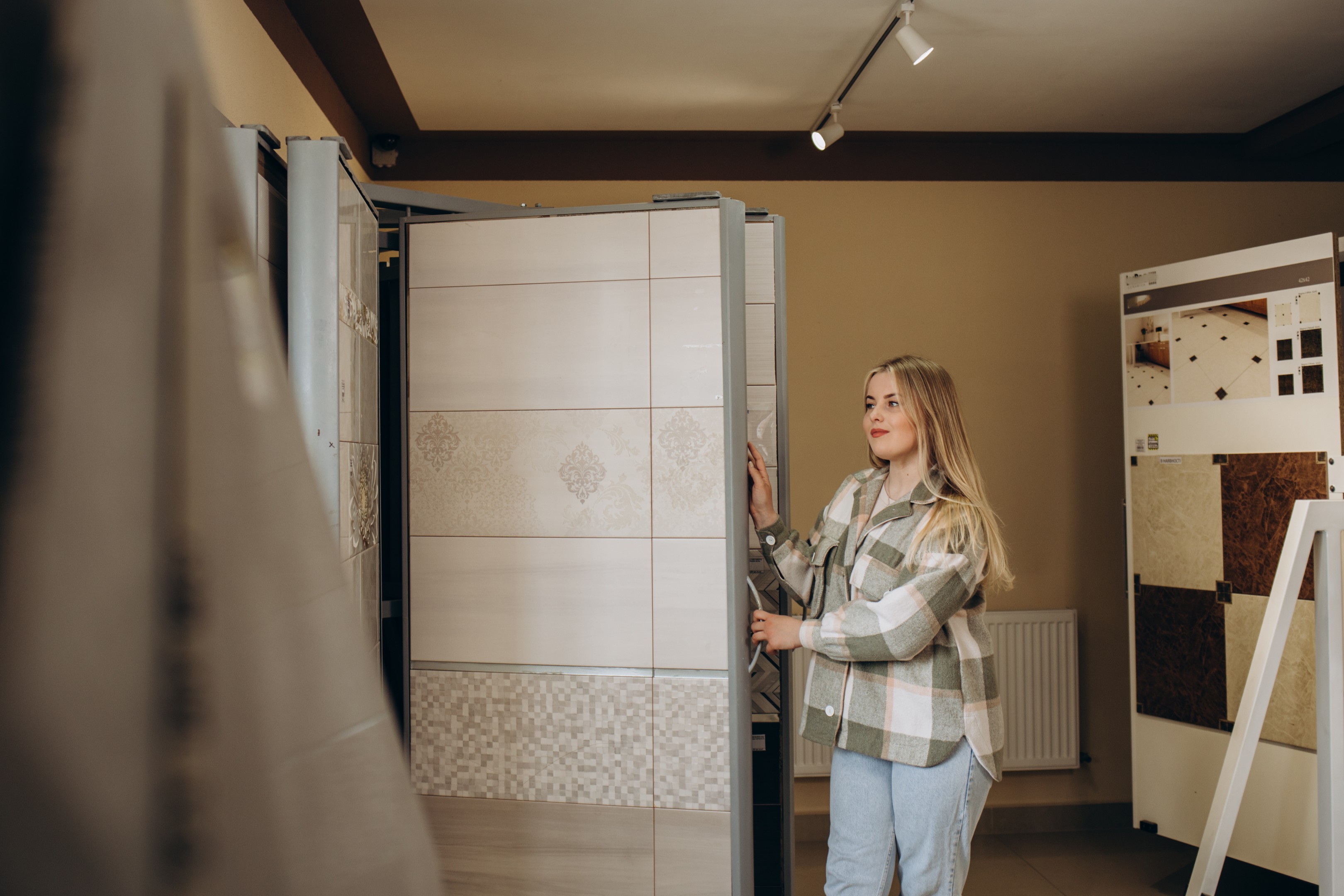
Flooring is one of the most impactful decisions you can make in a home, yet it is often overlooked.
It sets the tone from the moment you walk in. It shapes how a space feels, how it functions, and how it holds up over time. The right flooring does more than look good. It supports the way you live every day.
Here is how to choose with clarity and confidence.
Start with How You Live
Before thinking about color or finish, consider your day-to-day life.
Do you have pets coming in and out?
Is your home a gathering place for friends and family?
Do you prefer something low-maintenance, or are you comfortable with a little upkeep?
Your lifestyle should guide your decision. A beautiful floor only works if it works for you.
Understand Durability and Maintenance
Not all flooring performs the same over time. Some materials are designed to wear in, while others are meant to resist wear altogether.
Ask yourself:
- Will this space see heavy foot traffic?
- Do I need something scratch-resistant?
- How much maintenance am I willing to take on?
For example, hardwood develops character over time but may require refinishing. LVP and tile are more resistant to daily wear and easier to maintain.
Hardwood: Timeless and Elevated
Hardwood remains a favorite for a reason. It is warm, classic, and adds long-term value to a home.
Best for: Living rooms, dining areas, bedrooms
Why it works: Durable, refinishable, and consistently in style
Typical cost: Higher investment, both in materials and installation
Hardwood can be sanded and refinished over time, which extends its lifespan. It is an investment that tends to age well, both visually and financially.
Luxury Vinyl Plank (LVP): Practical Meets Polished
LVP has quickly become one of the most popular choices, especially in busy households.
Best for: High-traffic areas, kitchens, entryways
Why it works: Water-resistant, durable, and cost-effective
Typical cost: More affordable than hardwood, with a wide range of price points
It offers the look of wood with added resilience. Many options are also softer underfoot, which adds comfort in spaces where you stand often.
Tile: Clean, Durable, and Versatile
Tile is a reliable choice for areas where moisture is part of daily life.
Best for: Bathrooms, laundry rooms, mudrooms
Why it works: Easy to clean, highly durable, and water-resistant
Typical cost: Mid-range to higher, depending on material and design
Tile also offers a wide range of design options, from clean and minimal to more textured, natural looks. Heated tile can add an extra level of comfort in colder months.
Carpet: Softness Where It Counts
Carpet brings warmth and comfort into a space in a way other materials cannot.
Best for: Bedrooms, cozy living areas
Why it works: Quiet, comfortable, and inviting
Typical cost: Generally one of the more affordable options
It is especially useful in spaces where you want a softer, more relaxed feel. Advances in stain resistance have also made modern carpet more practical than in the past.
Consider Cost Beyond the Material
Flooring is not just about the price per square foot.
Be sure to factor in:
- Installation costs
- Subfloor preparation
- Long-term maintenance or replacement
A higher upfront investment can offer better long-term value. In other cases, a more affordable option may make sense depending on your timeline and goals.
Think About Flow and Continuity
Flooring plays a major role in how connected your home feels.
Using the same material across main living areas can create a sense of openness and cohesion. Changing materials between spaces can help define areas with different functions.
The goal is balance. Each transition should feel intentional.
Do Not Overlook the Subfloor
What sits beneath your flooring matters just as much as what you see on the surface.
A well-prepared subfloor ensures:
- A smoother installation
- Better durability over time
- Fewer issues with noise or shifting
It is one of those details that may not be visible but makes a noticeable difference.
An Investment in Everyday Living
Flooring is something you experience every single day.
When chosen thoughtfully, it supports your routine, enhances your space, and adds to the overall comfort of your home.
The best choice is not just about style. It is about how your home feels to live in, day after day.
Because a well-designed home is not just seen. It is lived in.




Privacy Policy / DMCA Notice / ADA Accessibility


